Speakers
Arranged alphabetically by first name, within each section
Keynote speakers
Daphna Harel
Studying queer data while living it: Positionality, power, and practice
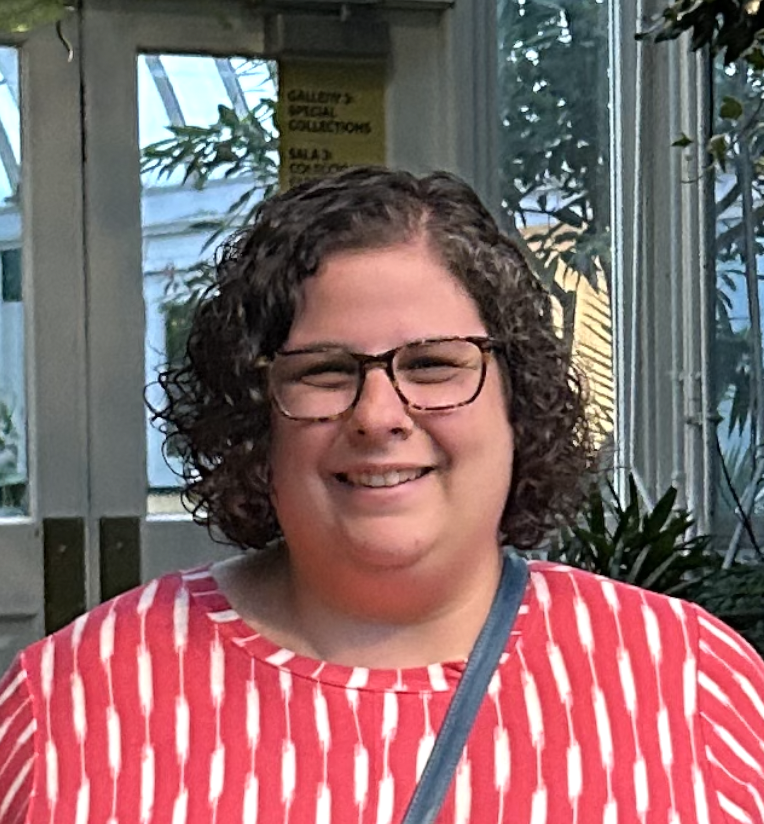
Daphna Harel (she/her) is an Associate Professor of Applied Statistics at the Steinhardt School of Culture, Education, and Human Development at New York University. Her research focuses on survey design and analysis, particularly in situations where obtaining meaningful measurements is hard. She aims to improve the quality of survey research by designing better questions, reducing burden on survey respondents, and providing better and more advanced methods for data analysis. Daphna believes that statistical analysis should be conducted in an effort to improve society and quality of life for all people. Her recent work with the NYU QUEER data lab focuses on work at the intersection of LGBTQIA+ lives and statistics, developing new methods to better understand and serve the community.
Hadley Wickham
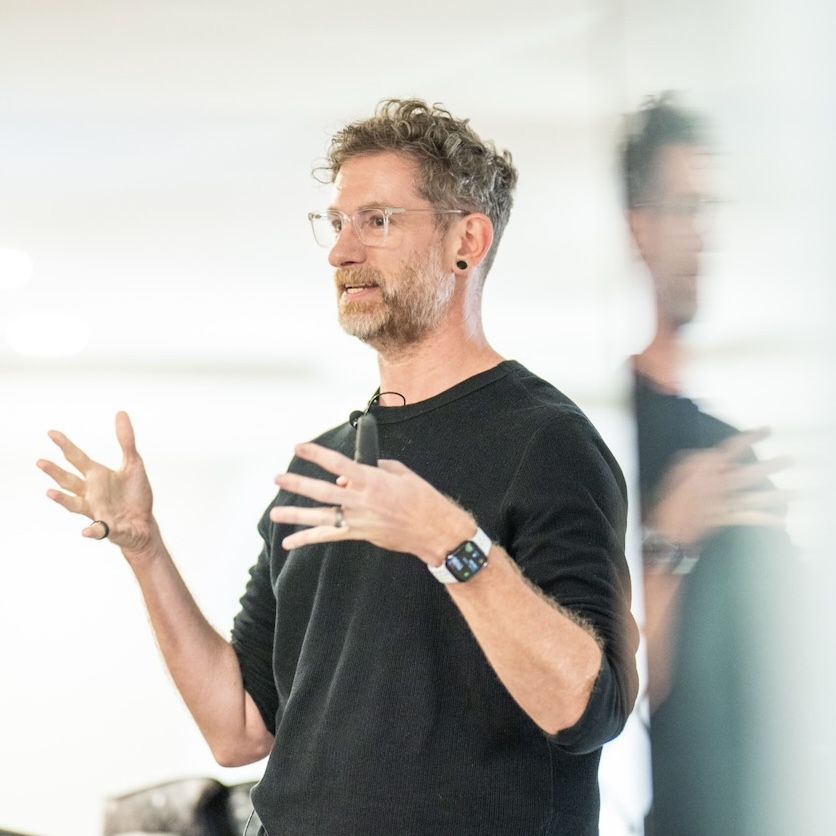
Hadley is Chief Scientist at Posit PBC, winner of the 2019 COPSS award, and a member of the R Foundation. He builds tools (both computational and cognitive) to make data science easier, faster, and more fun. His work includes packages for data science (like the tidyverse, which includes ggplot2, dplyr, and tidyr) and principled software development (e.g. roxygen2, testthat, and pkgdown). He is also a writer, educator, and speaker promoting the use of R for data science. Learn more on his website, http://hadley.nz.
Regular talk speakers
Chris Battiston
Intersectionality in LGBTQ+ health research: Practical analysis in R using upset plots)
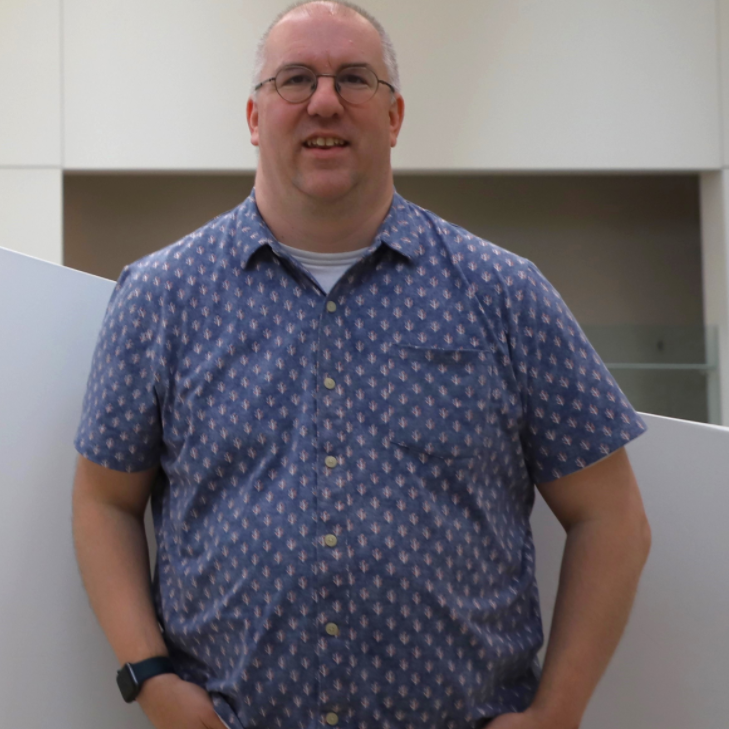
Chris has over 20 years’ experience as a database administrator / data analyst, with more than half of that in healthcare. He has been a REDCap Administrator for over 10 years and has won numerous awards for training documentation and community involvement. He has extensive experience in survey design and methodology, data quality, regulations, validation, and training users. He volunteers with a number of organizations supporting marginalized populations in data science, data management, and various committees on REDCap. When he’s not geeking out in front of a computer, he’s spending time with his wife and young son.
J. Audra Williams
Belonging is political: Measuring queer sense of belonging in Higher Ed using R
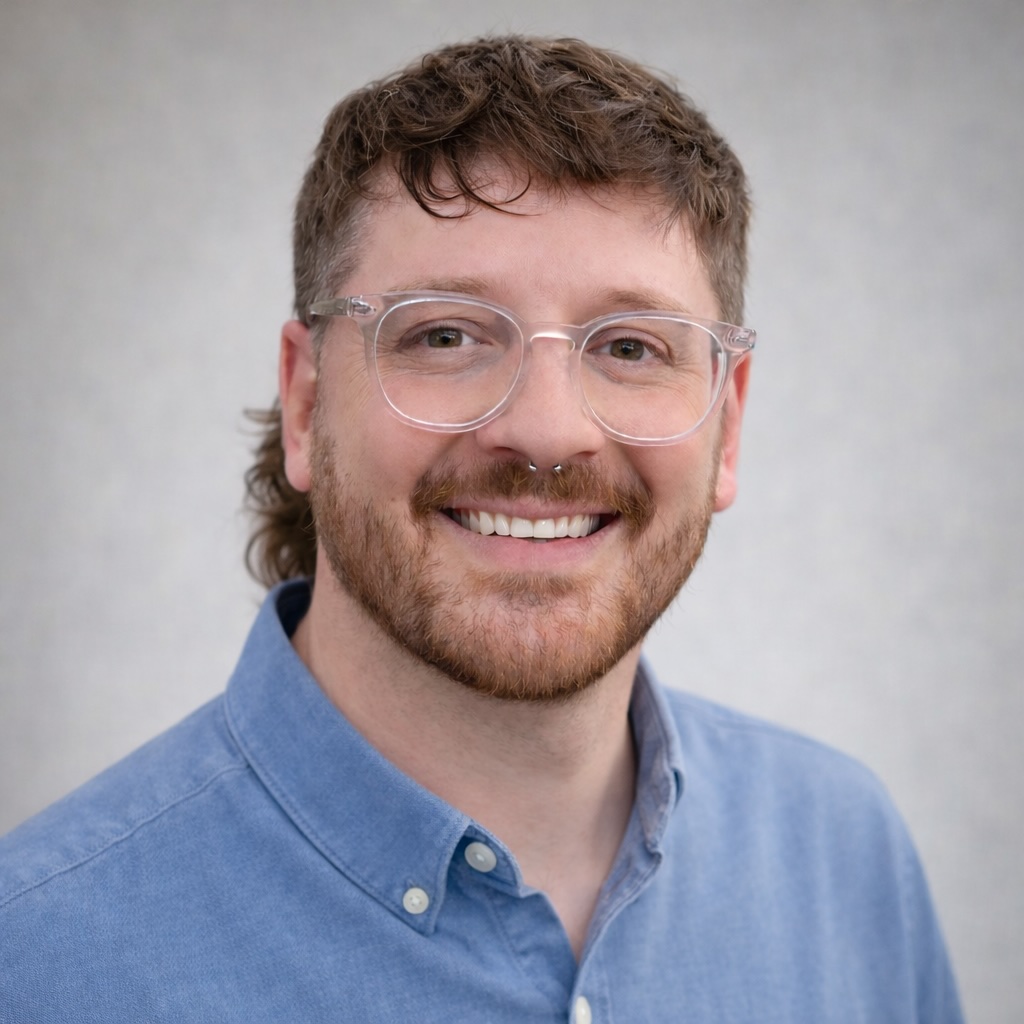
J. Audra Williams (he/they) is second-year Educational Policy and Evaluation PhD student in the Mary Lou Fulton College for Teaching and Learning Innovation at Arizona State University. J. Audra’s research centers the stories and narratives of queer and trans students, staff, and faculty in colleges and universities. He is specifically interested in challenging the tragic trope that is often portrayed for queer and trans people and instead highlighting aspects of queer joy. J. Audra has a growing interest in incorporating QuantCrit and QueerQuant methodologies, bringing critical perspectives to quantitative research on LGBTQ+ experiences in higher education.
Jasmine Daly
High, Low, Jack, & Claude: AI-assisted Shiny development
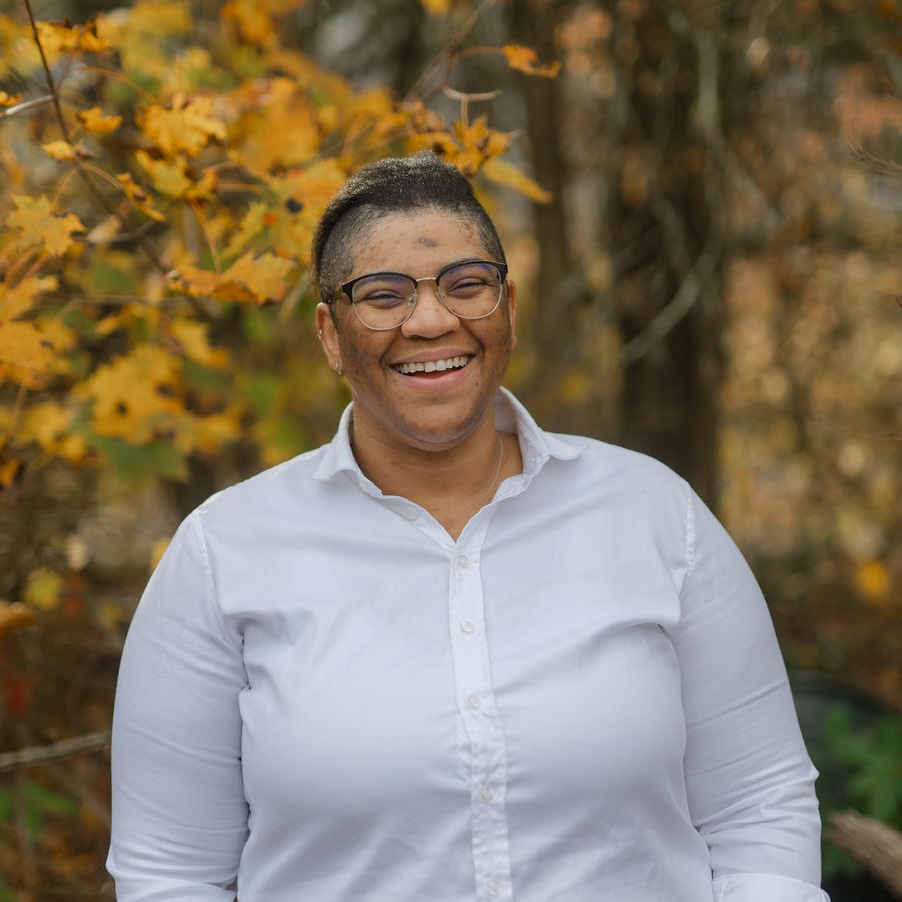
Jasmine Daly builds human-centered decision systems for nonprofits and mission-driven organizations, helping them make better, fairer, and more confident choices with their data. She creates custom dashboards, predictive models, and AI training & workshops that turn complex, messy data into clear, actionable insights for staff, leadership, and boards.
Joshua Gutoskie
Migrating legacy code to R: A team-based approach to open-source adoption
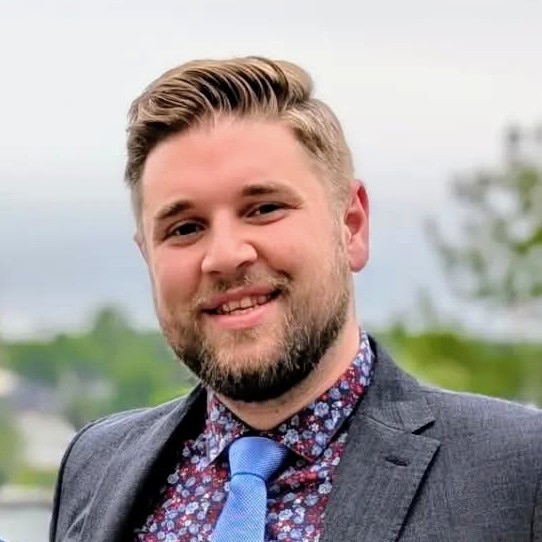
Joshua Gutoskie is a senior methodologist at Statistics Canada, specializing in survey methodology and statistical methods behind official statistics. He is currently focused on integrating open-source tools, like R and Git, into both new and legacy workflows, with an emphasis on team building and collaboration. Outside of work, Joshua is active in his local 2SLGBTQIA+ inclusive rugby club where he serves as captain of the men’s+ team.
Njoki Njuki
Queer stories through data: Highlighting LGBTQ+ cinema with R and Shiny
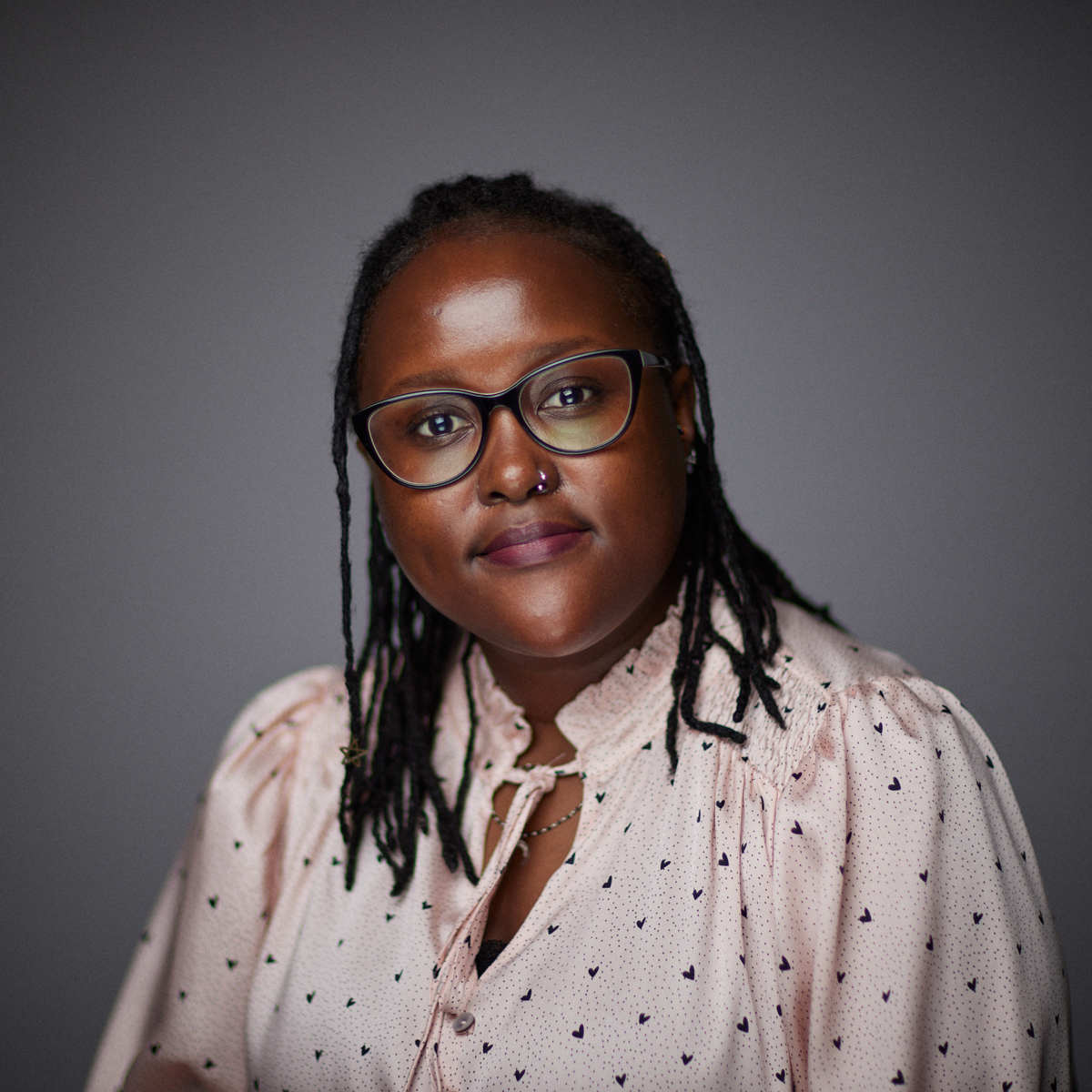
Njoki Njuki is a biostatistics-trained data professional with over seven years of experience supporting clinical and epidemiological research using large electronic health record (EHR) and longitudinal datasets. She specialises in data preparation, cohort definition, and reproducible statistical programming in R for health research. Njoki holds a BSc in Biostatistics and is currently completing an MSc in Statistics and Data Science (Biostatistics) at Hasselt University. She has presented at international events such as Shiny Conference and the Manchester R User Group, and is an active member of the global R community, co-organising R-Ladies Remote.
Ryan Timpe
The cheesecake ROI: Building a marketing mix model with tidymodels and The Golden Girls
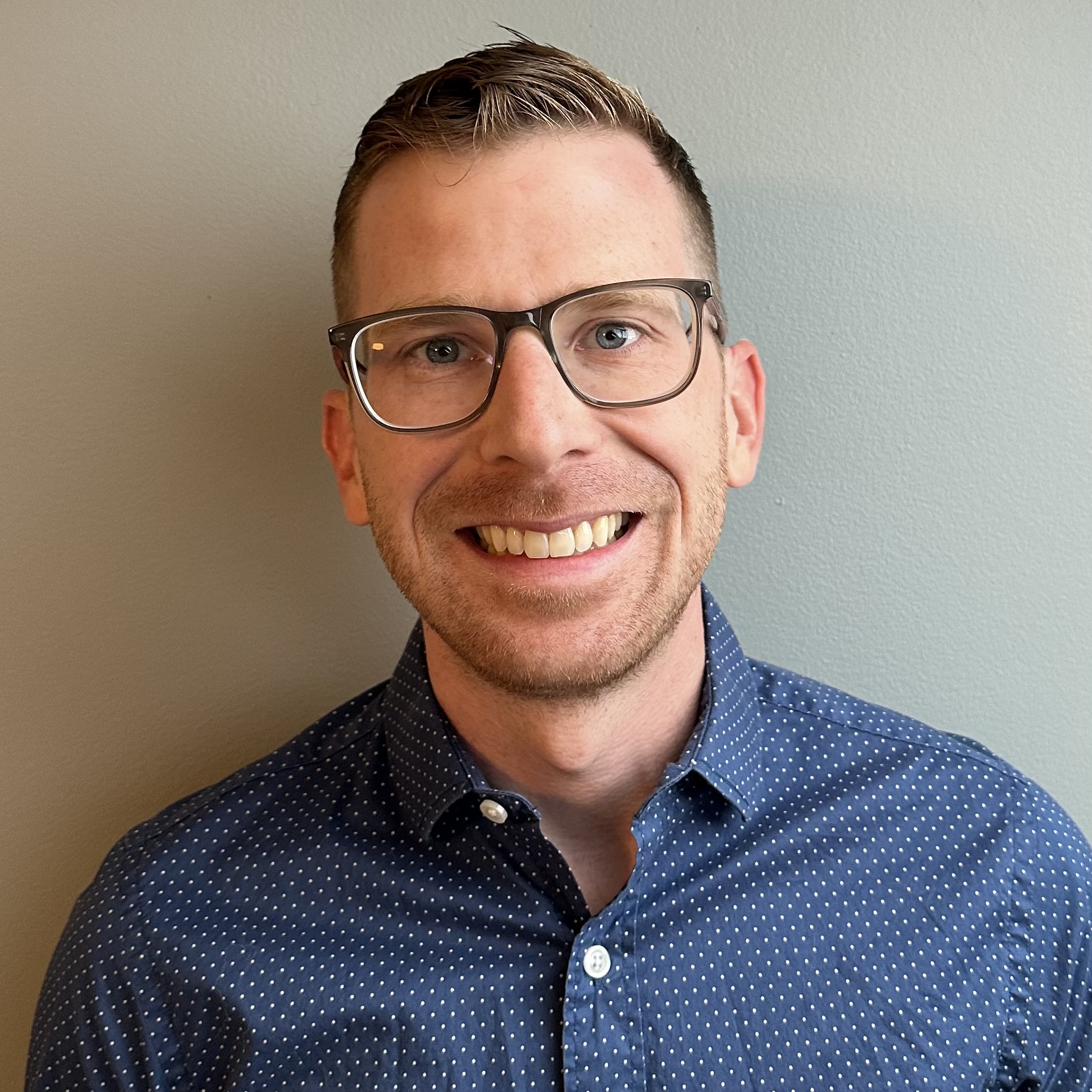
A lifelong enthusiast of math and those iconic plastic bricks, Ryan has been a data scientist at the LEGO Group since 2019. In this role, he uses R and python to construct models to optimize sales and marketing strategies and then promotes their value across the organization. In his spare time, he enjoys backflipping at gymnastics and watching classic sitcoms.
Tamires Martins
Queer stories through data: Highlighting LGBTQ+ cinema with R and Shiny
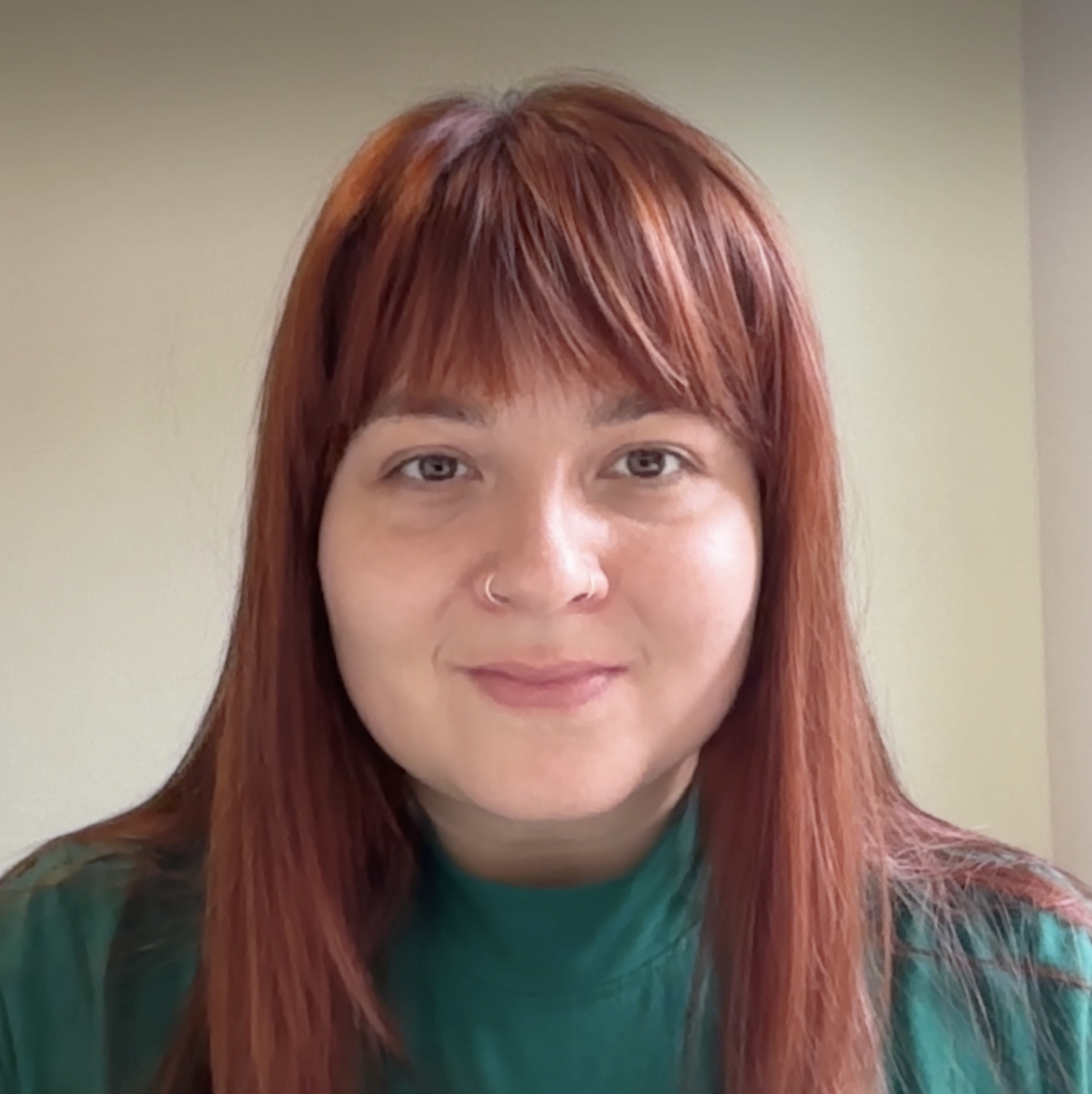
Tamires Martins is a PhD student in Pharmacology at UFSC (Brazil), working on biomarkers of depression and animal behavior. She develops computational tools for biomedical evidence synthesis, with interests in automation, visualization, and reproducible research.
Lightning talk speakers
Hannah Frick
pointblank, was I expecting this?

Hannah Frick is a software engineer at Posit, working mainly on the tidymodels framework. She holds a PhD in statistics and is a co-founder of R-Ladies Global.
Hanne Oberman
Seeing what’s missing: Visualization of incomplete and imputed data
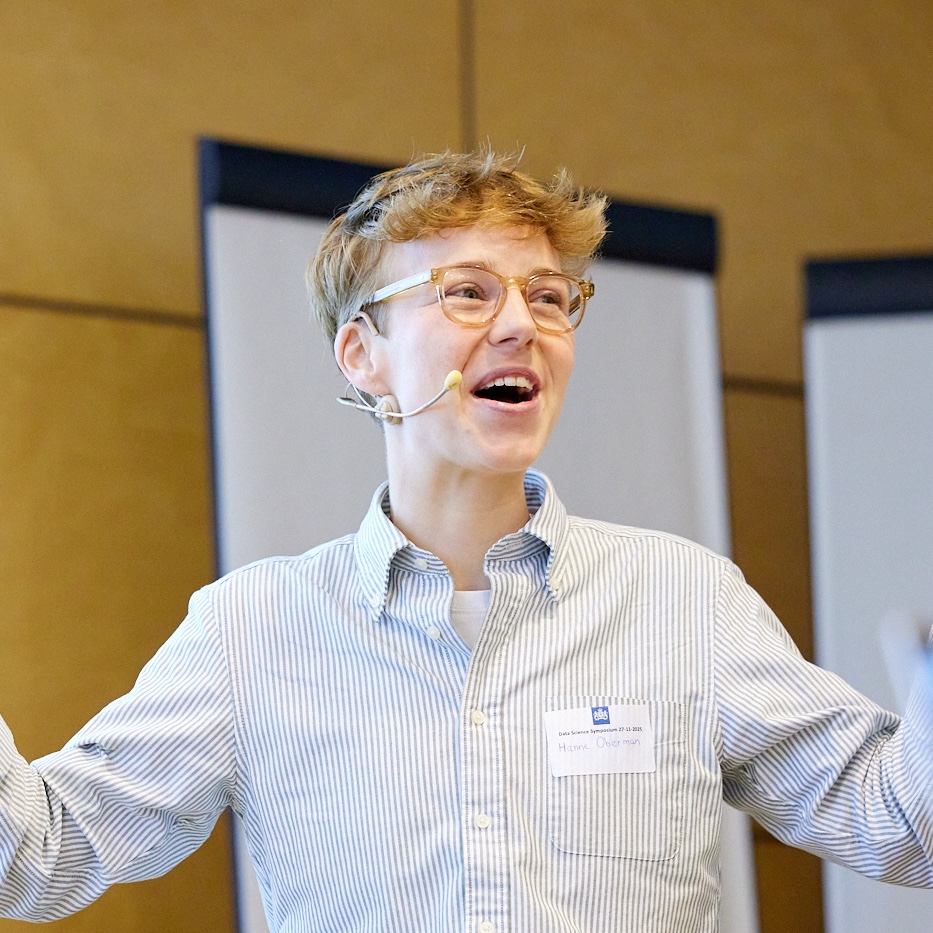
Hanne is a statistician interested in data visualization, interdisciplinarity, and open science. They’re finishing a PhD on missing data methodology at Utrecht University in Utrecht (The Netherlands), where they live with their partner and sing in the queer choir DynamiQ Voices.
Kristin Bott
Beyond drag bingo: Building community at work
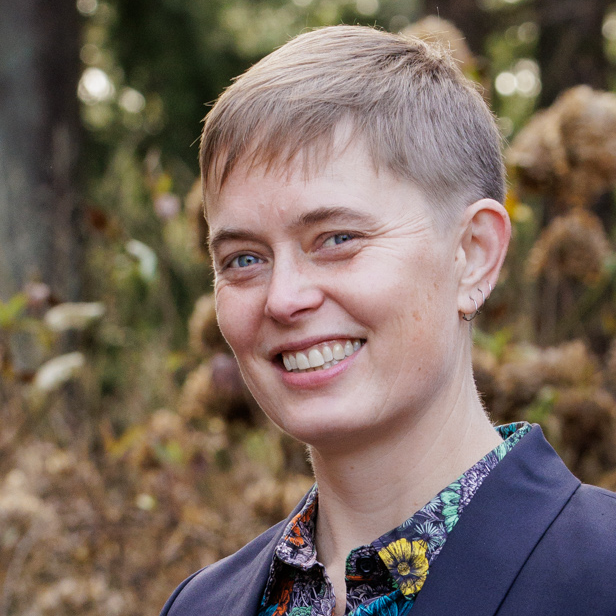
Kristin manages the Posit Academy data science education program, including the fantastic mentor crew, and supports learners as they build skills in both code and collaboration. With a background in natural science, teaching, and research, Kristin is interested in making technical topics accessible through the power of learning communities, ultimately empowering individuals to do great work.
Noah Pevie
Factor or network? Modeling the complexity of gender minority stress in transgender communities
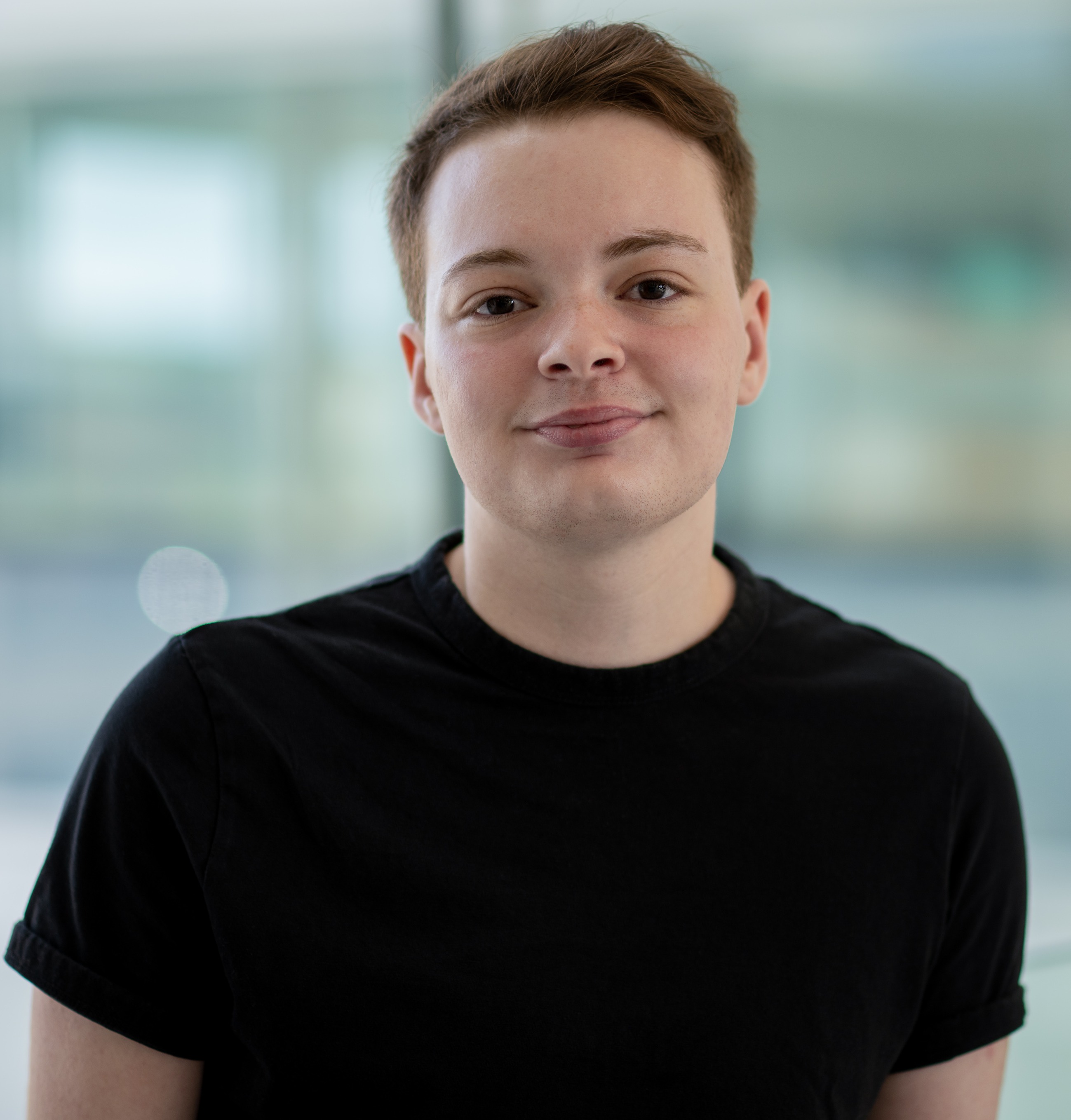
Noah is a Social Psychology PhD Student @ University of Western Ontario. He is interested in quantitative methods and trans research.
Rafael Henry-Venson
Teaching pharmacokinetics with confidence: How R helps students “see” the science
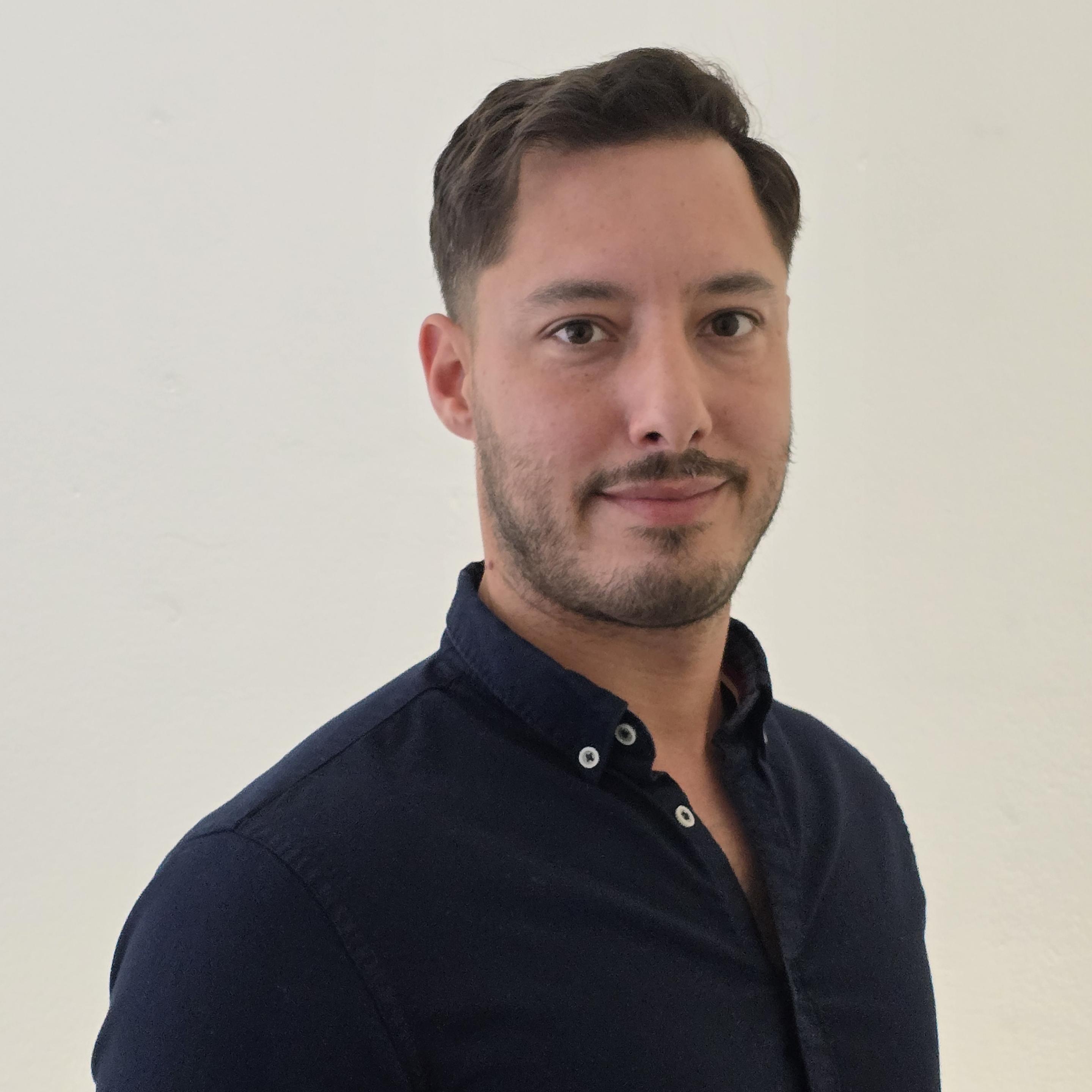
I am a pharmacology and forensic toxicology expert with a career spanning the Brazilian Scientific Police, HTA consultancy, and academia. Currently, I balance teaching and research with Equality, Diversity, and Inclusion (EDI) leadership, which earned me a shortlisting for the 2025 THE Awards for Outstanding Contribution to EDI for my Rainbow Office Hours initiative. Beyond the classroom, I contribute to the global scientific community as an HTA consultant and Academic Editor for PLoS One.
Trystan Washburne
The two step method: Accurate record keeping for sex and gender

Trystan is a PhD student studying at the University of Stirling, where he’s examining the ways in which transgender participants are recorded in survey data. When he’s not collecting terrible examples of sex and gender questions found in the wild, he enjoys reading fiction and practicing martial arts.
Ursula Kaczmarek
Elevating open data: Creating 3D visuals with NYC ppen climate data
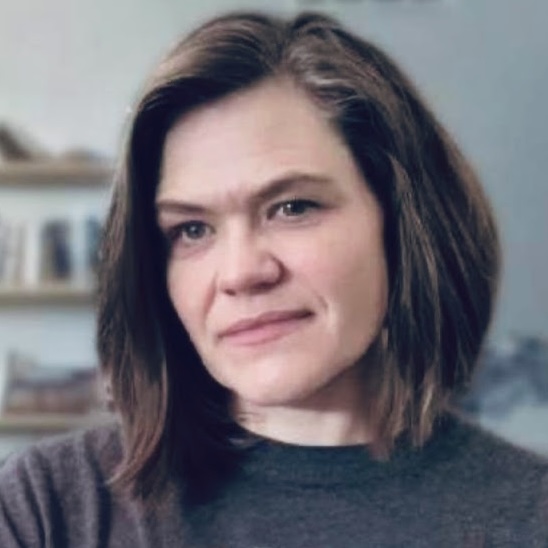
Ursula is a Brooklyn, New York-based data scientist focused on civic tech. She concentrates her research on voter engagement, economic development, and public infrastructure and services. She began her career as a lawyer working on open data policy and spent three years working on civic projects in Tbilisi, Georgia.
Workshop leaders
Allissa Dillman
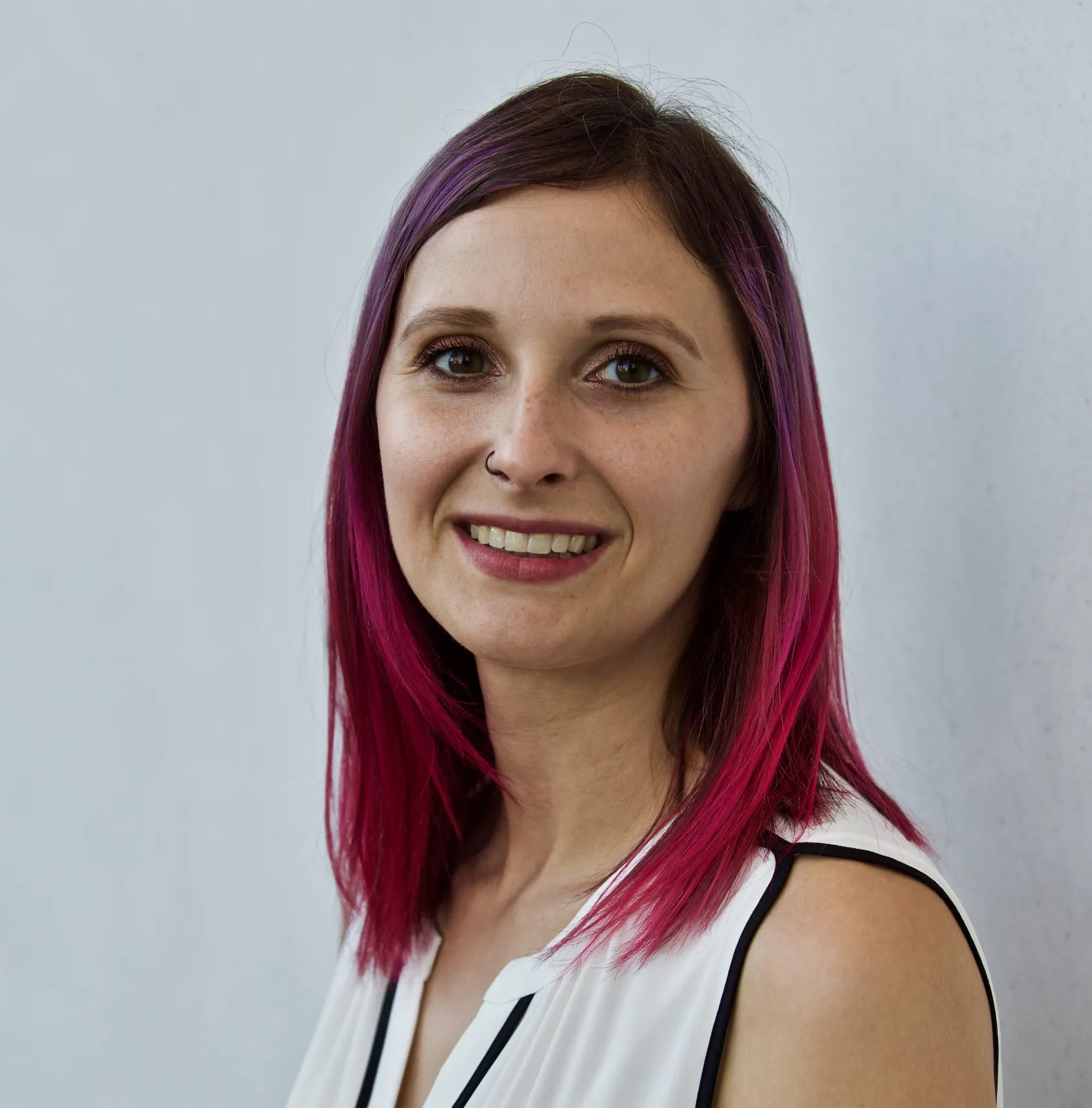
Dr. Dillman has been a driving force in breaking barriers to entry in data science and cloud computing. Her innovative initiatives include the creation of cutting-edge train-the-trainer programs tailored for STEM educators in under-resourced schools. Moreover, she has been a catalyst in curating data science training programs for students at Historically Black Colleges and Universities (HBCUs), Minority-Serving Institutions (MSIs), and Hispanic-Serving Institutions (HSIs).
Kirstie Ken English
Visualising the UK’s LGBTQ+ population
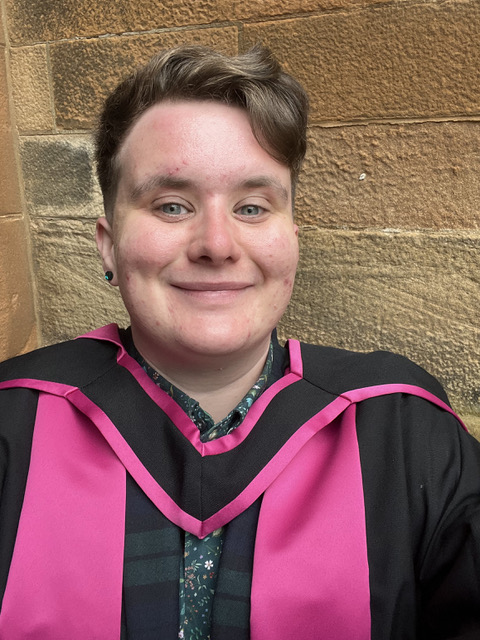
Kirstie Ken is a mixed methods researcher & quantitative methods lecturer. Their work focuses on the production and use of equality, diversity and inclusion(EDI) data, gender, sexuality and human rights.
Nic Crane
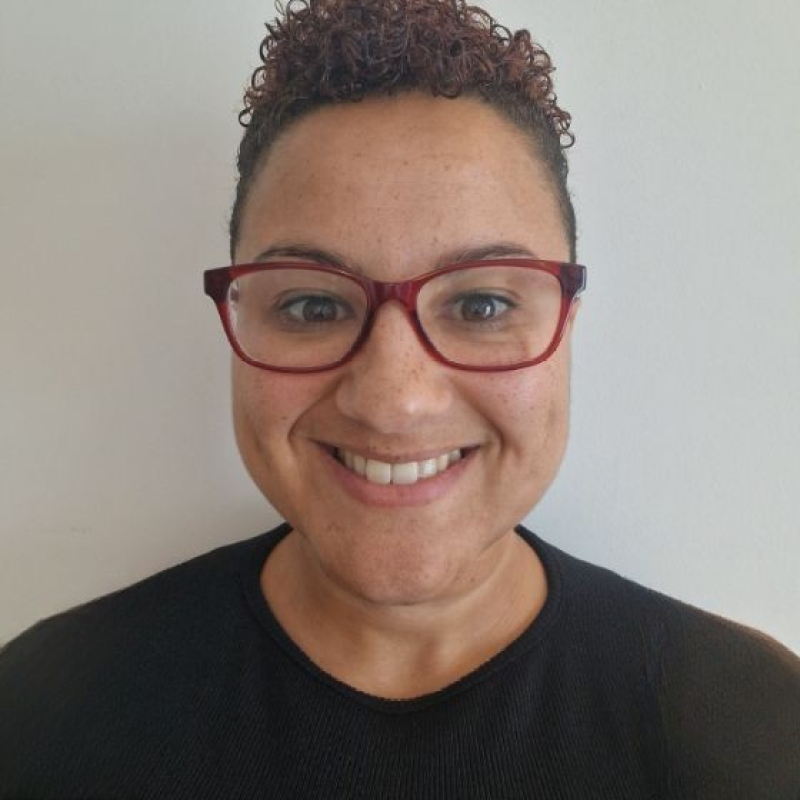
Nic Crane is an R educator and consultant who loves to experiment with LLMs and AI. They are also one of the maintainers of the Arrow R package and co-author of Scaling Up with R and Arrow.
Nicola Rennie
Visualising the UK’s LGBTQ+ population
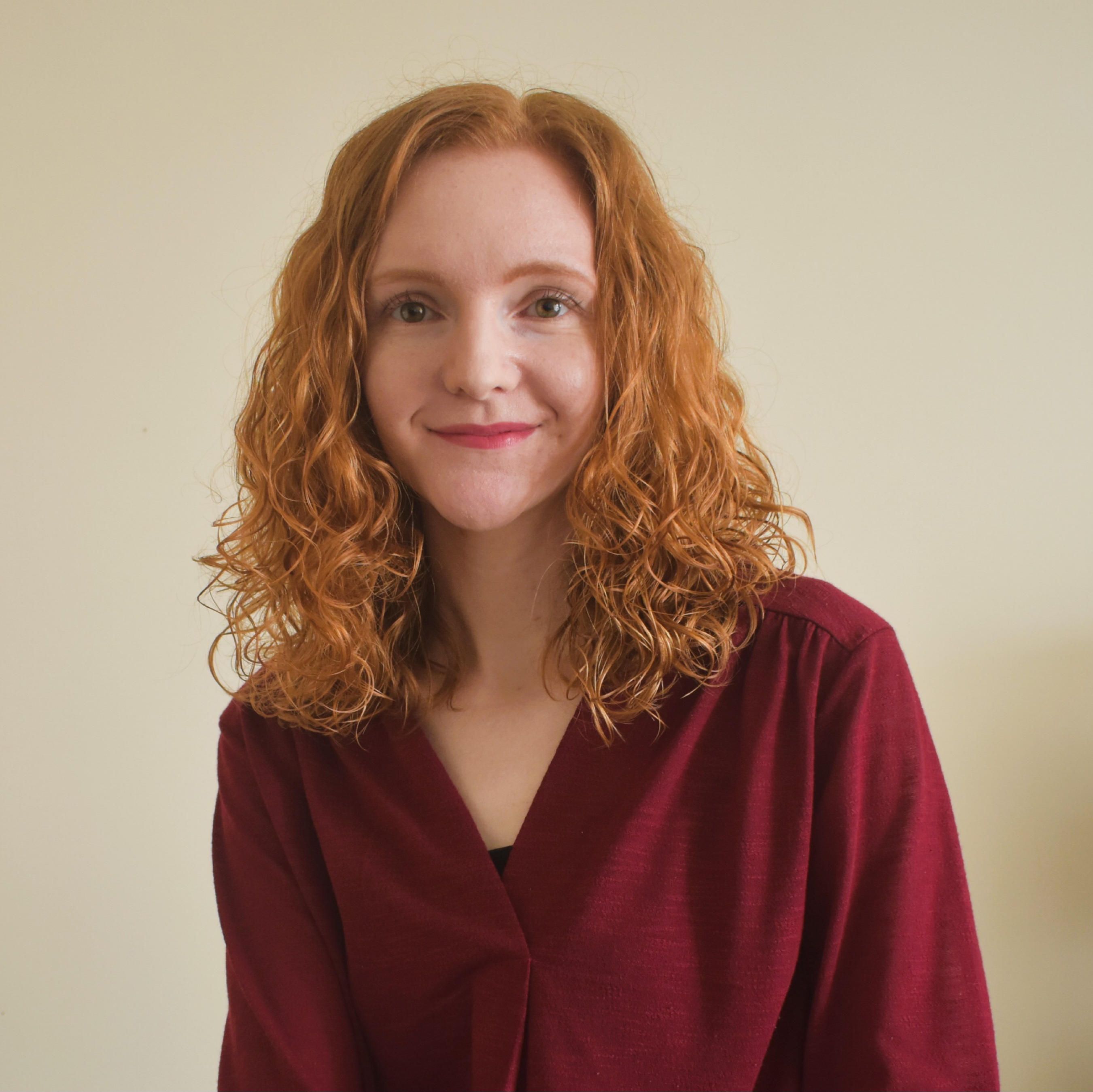
Nicola Rennie is a data visualisation specialist with a background in statistics and data science, who is interested in understanding how to effectively communicate complex quantitative ideas in an accessible way. She advocates for using open source tools, and has experience in D3, Svelte, R, and Python.
Padmashri Saravanan
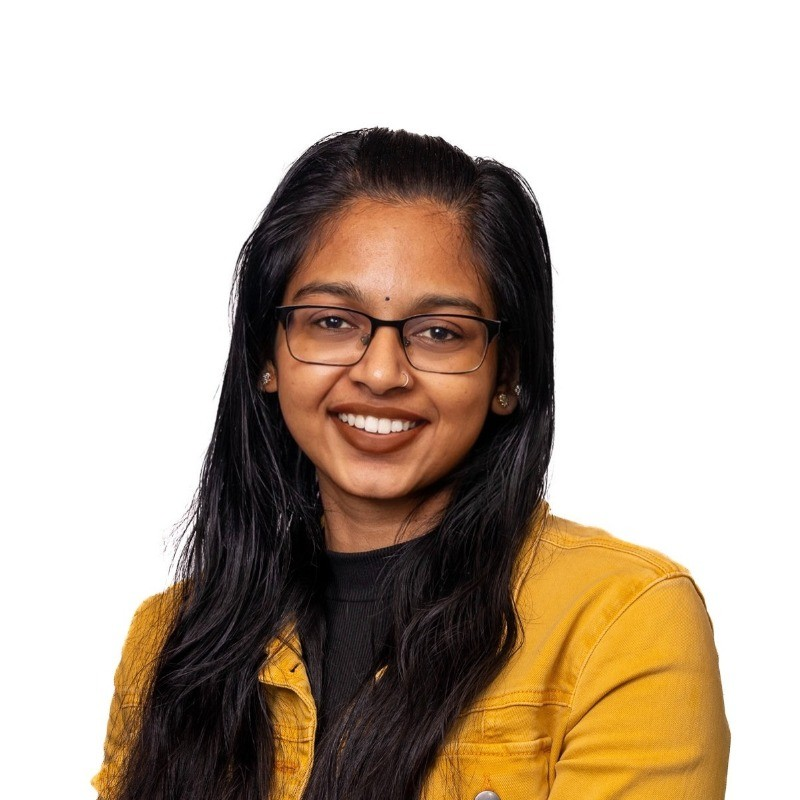
Throughout their career, Padma has centered the LGBTQ+ and BIPOC community through research, advocacy, and efforts to increase educational access. Previously, Padma served as a Data Science Fellow at the National Institutes of Health and led data analysis efforts in LGBTQ+ health research at Johns Hopkins School of Public Health and School of Medicine. As an educator, Padma has taught mathematics, computer science, and R programming to middle and high school students, and data science to public health practitioners. They also bring six years of global community organizing experience to their work.
Rhian Davies
If You Can Write a Function, You Can Build an R Package
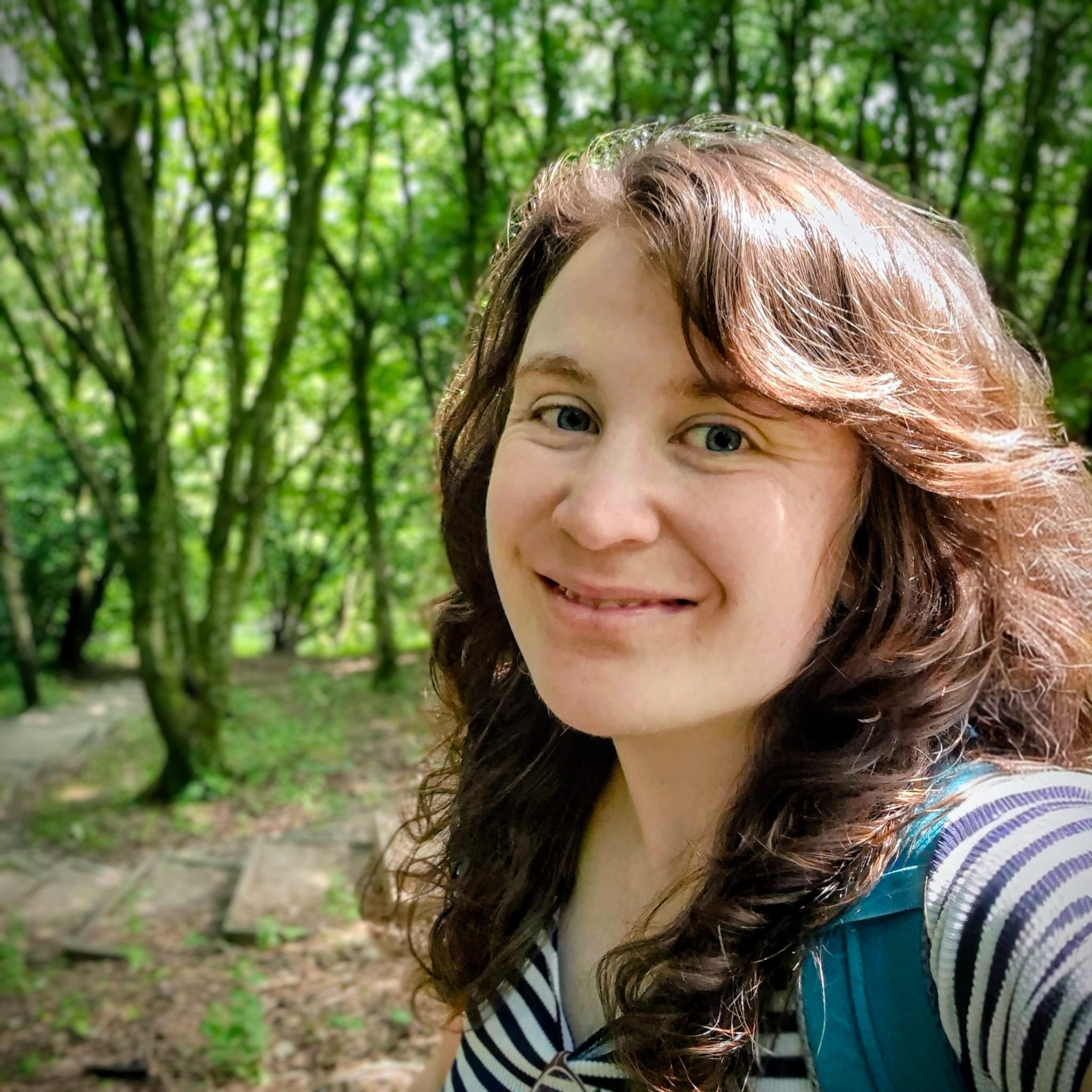
Rhian is a Senior Data Scientist at The Strategy Unit (NHS) where she uses R to build open-source Reproducible Analytical Pipelines. She supports public health analysts to work smarter with data, developing their skills, confidence, and championing data science best practices.
Social activity leaders
Damie Pak
Quiz and social
An R user for both work and play! Damie uses R for mathematical modeling but also to make silly things.
Libby Heeren
Quiz and social
Libby is a data science educator and community builder who wants to help you cultivate a community of practice for yourself. She believes in making genuine human connections, the power of vulnerability, and that we all benefit when we show up as our whole selves.
Libby hosts the Data Science Hangout, a casual, data science career-focused community call where attendees ask questions of a different featured leader each week, as well as the Data Science Lab, a messy, fun space where the coding is live and attendee questions are the stars of the show.